Showing posts with label Eye care. Show all posts

Diabetes and Vision Loss: Type 1 and Type 2 Diabetes Eye Care Tips


Diabetes is not just a condition that affects blood sugar; it impacts the entire body in ways that are often underestimated. Among its most serious complications is vision loss, which can become permanent if not managed in time. Both type 1 and type 2 diabetes increase the risk of diabetic retinopathy, cataracts, glaucoma, and other eye conditions. What makes this more alarming is that many people do not notice symptoms until the damage is advanced and irreversible. However, the good news is that with the right preventive steps and consistent daily habits, people with diabetes can protect their eyes and maintain healthy vision for years to come.


This article explores how diabetes leads to vision problems and outlines five essential daily eye care habits that should become a non-negotiable part of life for anyone living with the condition. Along with practical insights, this piece will also bust common myths around diabetic eye care, provide long-term preventive strategies, and guide readers on how to protect one of their most precious senses—sight.


 How Diabetes Affects the Eyes 


When blood sugar levels remain high for long periods, it damages blood vessels throughout the body. The delicate blood vessels in the eyes are particularly vulnerable. Over time, this damage can cause leakage, swelling, or even blockage, resulting in reduced blood flow to the retina. This leads to conditions such as:


Diabetic retinopathy: Damaged retinal blood vessels that cause vision impairment and may lead to blindness.

Diabetic macular edema: Swelling in the macula (central part of the retina) that causes blurred vision.

Glaucoma: Increased pressure in the eye that can damage the optic nerve.

Cataracts: Clouding of the lens at an earlier age compared to non-diabetics.


The frightening reality is that many people with diabetes will experience some form of eye problem during their lifetime. But the damage doesn’t have to end in blindness—consistent care can make all the difference.


 The Silent Threat of Vision Loss 


One of the biggest challenges with diabetic eye complications is that they often progress silently. Early diabetic retinopathy or glaucoma might not show any symptoms until vision is already compromised. By the time noticeable changes occur, the condition may have advanced to a stage where treatment options are limited.


This is why prevention and daily habits play such a powerful role. By prioritizing eye health every day, people with diabetes can slow down or even avoid the onset of complications. Small, consistent habits can add up to years of healthy sight.


 Daily Eye Care Habits for People with Diabetes 


1. Monitor Blood Sugar Consistently


Good eye care begins with good diabetes management. High blood sugar is the root cause of eye damage, so maintaining stable glucose levels helps prevent complications. Daily monitoring using a glucometer or continuous glucose monitor is crucial. Along with blood sugar, keep track of A1C levels and blood pressure, since both influence eye health. Even small improvements in sugar control can have a big impact on eye outcomes.


2. Follow a Diabetes-Friendly Diet with Eye-Nourishing Foods


What you eat directly affects your blood sugar and your eyes. Incorporating foods rich in antioxidants, vitamins A, C, and E, omega-3 fatty acids, and zinc supports eye health. Leafy greens, citrus fruits, carrots, nuts, and fish are excellent additions. Avoiding processed foods, excess sugar, and unhealthy fats is equally important. Drinking enough water also helps prevent dryness and irritation in the eyes.


3. Protect Eyes from External Strain and Damage


Daily habits like wearing sunglasses when outdoors can protect eyes from harmful UV rays, which accelerate damage in people with diabetes. Reducing screen time, following the 20-20-20 rule (looking away every 20 minutes for 20 seconds at something 20 feet away), and using proper lighting while reading or working help reduce strain. Simple habits like not rubbing your eyes and keeping them clean also go a long way.


4. Exercise Regularly for Better Blood Flow


Physical activity is not just good for controlling diabetes; it improves circulation to the eyes and reduces pressure within them. Even 30 minutes of daily walking, yoga, or light exercise helps stabilize blood sugar and prevents complications like glaucoma and retinopathy. However, avoid very high-intensity workouts without medical guidance, as sudden spikes in pressure may affect eye health in some cases.


5. Schedule Regular Eye Check-ups


Perhaps the most important habit of all is visiting an eye specialist regularly. A dilated eye exam at least once a year can detect early signs of diabetic eye disease before vision loss occurs. Many people with diabetes skip these appointments because they don’t notice symptoms, but proactive screening is key. Eye doctors can recommend laser treatments, injections, or other therapies to stop progression if caught early.


 Myths About Diabetes and Eye Care 


Myth 1: Vision problems mean my diabetes is out of control.

Not always. Eye complications can occur even in well-managed diabetes, which is why preventive care is crucial.


Myth 2: Wearing glasses can stop diabetic vision loss.

Glasses correct vision but do not prevent eye disease caused by diabetes. Medical check-ups and blood sugar control are necessary.


Myth 3: Eye problems only happen after years of diabetes.

In reality, complications can begin within a few years of diagnosis, especially if blood sugar is not well controlled.


Myth 4: If I see well, I don’t need an eye exam.

This is dangerous thinking because most diabetic eye problems develop silently in the early stages.


Long-Term Strategies for Protecting Eyes with Diabetes


Daily habits are powerful, but long-term lifestyle choices enhance their effectiveness. Avoiding smoking and limiting alcohol are vital, as both worsen diabetic complications. Maintaining a healthy weight and getting quality sleep every night strengthens eye health. Stress management practices like meditation, breathing exercises, and yoga help balance hormones that influence blood sugar.


Another important aspect is learning to recognize early warning signs—blurred vision, floaters, difficulty seeing colors, or sudden vision changes should never be ignored. Seeking medical help immediately can prevent permanent damage.


Bottom line


Diabetes may increase the risk of permanent vision loss, but it doesn’t mean blindness is inevitable. With the right awareness and habits, anyone living with type 1 or type 2 diabetes can safeguard their vision. By monitoring blood sugar, eating a nutritious diet, protecting eyes from strain, exercising regularly, and never skipping annual eye check-ups, people with diabetes can take charge of their eye health.


Your eyes are windows to the world—don’t let diabetes dim that light. A little effort every day can make the difference between clear sight and irreversible loss.


 Short FAQ Section 


Q1: Can diabetes really cause permanent blindness?

Yes, uncontrolled diabetes can lead to diabetic retinopathy, glaucoma, and cataracts, which may cause permanent blindness if not treated in time.


Q2: How often should people with diabetes get their eyes checked?

At least once a year, but more frequently if recommended by an eye doctor.


Q3: Are eye problems reversible once they start in diabetes?

Some conditions can be slowed or treated if caught early, but advanced damage is often irreversible. Prevention and early detection are key.


Q4: Do all diabetics develop eye problems?

Not all, but the risk is significantly higher compared to non-diabetics, which makes preventive care essential.


Q5: Can diet really improve eye health in diabetics?

Yes, a diet rich in vitamins, antioxidants, and omega-3s can strengthen eye health while helping maintain stable blood sugar.


10 Yoga Poses to Strengthen Your Eyesight - Weak Eyesight Exercise


Yoga offers a holistic approach to health, and specific yoga practices can help improve and maintain good eyesight. Regular practice of certain yoga poses and exercises can enhance eye muscle strength, improve blood circulation to the eyes, and reduce eye strain, all of which are crucial for better vision. Here are some of the best yoga poses and exercises for weak eyesight:


1. Palming 

Palming is a simple and effective technique to relax and rejuvenate the eyes. It helps reduce eye strain and soothes the optic nerves. 

How to do it:

1. Rub your palms together briskly to generate heat.

2. Gently cup your palms over your closed eyes without pressing on them.

3. Breathe deeply and relax for a few minutes, allowing the warmth to penetrate your eyes.

4. Repeat this exercise 2-3 times.

                                          GOOGLE AD


2. Blinking 

Blinking is essential for maintaining eye moisture and preventing dryness. Regular blinking exercises can help reduce eye strain, especially for those who spend long hours in front of screens. 

How to do it:

1. Sit comfortably and keep your eyes open.

2. Blink rapidly 10-15 times.

3. Close your eyes and relax for 20 seconds, focusing on your breath.

4. Repeat this cycle 4-5 times.


3. Eye Rotation 

Eye rotation exercises help in improving flexibility and strength of the eye muscles, which can enhance overall vision. 

How to do it:

1. Sit comfortably and keep your head still.

2. Look up and then slowly rotate your eyes in a clockwise direction.

3. Complete 10 rotations and then close your eyes for a few seconds.

4. Repeat the rotations in a counterclockwise direction.

5. Perform this exercise 2-3 times a day.

                                          GOOGLE AD


4. Trataka (Gazing) 

Trataka is a meditation technique that involves focused gazing at a single point or object. It helps improve concentration and strengthen the eye muscles. 

How to do it:

1. Sit comfortably with a lit candle placed at eye level about 2-3 feet away.

2. Gaze at the flame without blinking for as long as you can.

3. When your eyes begin to water, close them and visualize the flame in your mind.

4. Relax and focus on your breath for a few minutes.

5. Repeat this exercise 2-3 times, gradually increasing the duration of your gaze.


5. Sarvangasana (Shoulder Stand) 

Sarvangasana improves blood circulation to the head and eyes, nourishing the optic nerves and enhancing vision. 

How to do it:

1. Lie on your back with your legs together and arms by your sides.

2. Lift your legs and hips towards the ceiling, supporting your back with your hands.

3. Keep your body straight and hold the pose for 30-60 seconds.

4. Slowly lower your body back to the ground and relax.

5. Perform this pose once or twice daily, avoiding it during menstruation or if you have neck issues.


6. Halasana (Plow Pose) 

Halasana is beneficial for improving blood flow to the eyes and reducing stress. 

How to do it:

1. Lie on your back and lift your legs over your head, bringing your toes to the ground behind you.

2. Keep your hands on your lower back for support or extend them on the ground.

3. Hold the pose for 30-60 seconds and breathe deeply.

4. Slowly roll your spine back down to the ground.

5. Practice this pose once daily, avoiding it during menstruation or if you have neck or back problems.

                                          GOOGLE AD


7. Bhramari Pranayama (Bee Breath) 

Bhramari Pranayama helps calm the mind, reduce stress, and improve focus, which indirectly benefits eyesight. 

How to do it:

1. Sit comfortably with your eyes closed.

2. Place your index fingers on your ears, blocking external sounds.

3. Take a deep breath in and while exhaling, make a humming sound like a bee.

4. Focus on the vibration and sound.

5. Repeat this exercise 5-7 times, practicing daily.


8. Nadi Shodhana (Alternate Nostril Breathing) 

Nadi Shodhana balances the nervous system and reduces eye strain by improving oxygen flow and reducing stress. 

How to do it:

1. Sit comfortably with your spine straight and shoulders relaxed.

2. Close your right nostril with your thumb and inhale deeply through the left nostril.

3. Close your left nostril with your ring finger and exhale through the right nostril.

4. Inhale through the right nostril, close it, and exhale through the left nostril.

5. Continue this alternate nostril breathing for 5-10 minutes.


9. Balasana (Child’s Pose) 

Balasana helps in relaxing the entire body and reducing stress, which is beneficial for eye health. 

How to do it:

1. Kneel on the floor with your big toes touching and knees apart.

2. Sit back on your heels and extend your arms forward, resting your forehead on the ground.

3. Breathe deeply and hold the pose for 1-3 minutes.


10. Paschimottanasana (Seated Forward Bend) 

Paschimottanasana improves blood circulation and reduces tension around the eyes. 

How to do it:

1. Sit with your legs extended straight in front of you.

2. Inhale and lengthen your spine.

3. Exhale and bend forward, reaching for your feet or shins.

4. Hold the pose for 1-3 minutes, breathing deeply.


Bottom line: 

Incorporating these yoga poses and exercises into your daily routine can help improve weak eyesight by strengthening the eye muscles, enhancing blood circulation, and reducing eye strain. Consistent practice not only benefits eye health but also promotes overall well-being. Always perform these exercises mindfully and consult with a healthcare provider or a certified yoga instructor if you have any pre-existing conditions or concerns.


                                          GOOGLE AD

Your eyes are getting weak by looking at the phone and laptop for a long time, take care like this


                                          GOOGLE AD

Your eyes are getting spoiled by looking at the phone and laptop for a long time, take care like this

You are so lost in the changing lifestyle and hectic life that you are neglecting your health, your eyes are the softest part of your body. These days we are constantly looking at laptops and phones, which directly affects your eyes. In such a situation, it becomes very important for you to take care of your eyes. Let us know about some tips that can increase your eyesight.

1- Include healthy foods in your diet

Good eye health begins with the foods you include in your diet. Nutrients like omega-3 fatty acids, lutein, zinc and vitamins C and vitamin E keep diseases like macular degeneration and cataracts at bay.

  • Green leafy vegetables like spinach, banana
  • Salmon, tuna and other oily fish
  • Eggs, nuts, beans and other protein sources
  • Oranges and other citrus fruits or juices

                                          GOOGLE AD

2. Don't Smoke

Smoking is not only harmful to your health, but it also harms your eyes. If you smoke, quit smoking to take care of your eyes. You will get a lot of benefit from this.

3. Wear Sunglasses

Wearing sunglasses will help protect you from the sun's ultraviolet (UV) rays. This will keep your eyes healthy as well as keep away from dust and soil.

4. Do not look at the computer and phone screen for a long time

Do not stare at the computer or phone screen for a long time. This puts stress on your eyes. Vision becomes blurred and headache, neck, back and shoulder pain occur.

5. Adopt the 20-20-20 Formula

You can give your eyes a rest every 20 minutes. Make a distance of 20 feet for 20 seconds and get up at least every 2 hours and take a break of 15 minutes.

GOOGLE AD


3 Tablespoons Daily can improve your Eyesight & cure Hair problems


Gray or thin hair and glasses donned on nose. You might think I am telling you the features of an aging man but that is not true, every other person today, is victim of these two problems. But who is the culprit?? Blame it on the pollution and lifestyle.

Hair loss at early ages can also be very embarrassing sometimes and who likes spectacles? Though there are tons of styles in frames of glasses but I bet everyone likes it without spectacles, and the never ending problems with contact lenses! Don’t even get me started about them!

But you might like to hear that, there is a very easy and natural solution for them which might not only help in your hair growth but also improve your health. And you don’t have to go anywhere finding that cure. Because it sitting just there inside your own kitchen. Some magical ingredients which can be found easily in your house, give amazing results when used in the right combination.  So it’s time that I tell you the names of these magic ingredients. They are: Flax oil,
Lemons, Garlic and Honey.

Improve Eyesight & Hair Growth

So here we are, giving you the ultimate recipe which can help in improving your vision and hair growth in just a couple of days. The results are visible in just some days after you start consuming this mixture. 


To prepare this remedy you will need:

Flax oil/Linseed oil 200 grams
4 lemons
3-4 Garlic cloves
Honey 1kg

Preparation 

Take a blender and put 4 lemons and garlic cloves in it and blend them well. Now add 1 kg honey and 200gms of flax oil to the blended mixture and mix them till an even mixture is formed. It will be of thick, paste like consistency.


Pour this paste in a glass jar and store it in the fridge. Eat 1 tablespoon of this mixture ½ hour before every heavy meal. Two things to be kept in mind are: First you should only use a glass jar to store it and second, use a wooden spoon to eat it as it contains lemon which may react to the metal of the vessels. 

Remember: It is important that you consume this 3 times a day before meals. This habit of eating magic remedy 3 times a day will also have several other benefits on your health. It will make your facial skin tight and you will observe a drastic reduction in wrinkles on your face.

How it works?

Lemon, Garlic and Honey are rich sources of vitamin C, omega-6, omega-9 and palmitic acids. Also they are excellent antioxidants, blood vessel cleaners and nourishes.

Regular consumption of these magic ingredients will not only improve your hair growth and vision but also it will reduce the grey hairs, your overall health will improve, your immune system will become more robust and you will feel energetic.

Watch our YouTube video


GOOGLE AD


Throw Away GLASSES! Saffron Will Help To Increase Vision By 97%!


Older people have more eye problems than younger people. Unfortunately, your expensive glasses and contact lenses can only help you see clear but they will not improve your vision and that is true. 

Your vision will get poorer if you don’t tackle the root of the eye problems. Saffron is one of the easiest and effective ways to improve your eyesight and eye health naturally.

Saffron Might Save Your Eyesight

According to scientist Saffron can stop, prevent and recover degeneration of vision and help slow the progression of eye related disease like macular degeneration that causes blindness.

Saffron contains strong antioxidant carotenoids crocin and crocetin and has antioxidative and Neuro-protective properties.


How Saffron works?

A latest clinical study has shown that consumption of 20 mg saffron oral supplementation per day for 90 days in patients with early stage age-related AMD (macular degeneration) stimulates a significant improvement of retinal function and visual sharpness. The patient experienced cell recovery, which lead to improved vision.
According to doctors saffron may be the natural solution to prevent or delay vision loss due to macular degeneration. Saffron makes the vision cells tougher and more flexible.


How much saffron is recommended?

Doses of saffron up to 1.5 gram per day are thought to be safe; toxic effects have been reported at 5 gram saffron. You can take minimum 20 mg of quality saffron per day to improve your eye and overall health.

Here we are going to show you the easy recipe that will help you to throw your glasses in just a few weeks!


Ingredients:

0.75 gram of saffron (use good quality saffron)
1 cup of clean water

Preparation:

1.  Recipe is very simple. Boil cup of water and the add saffron to it.
2.  Boil it for more 2-3 minutes.     
3. Allow it to lukewarm and drink it.
4.  You can add little honey to improve the taste.

Note: Follow this remedy only twice a day for few weeks.

GOOGLE AD


Improve Eyesight & Reduce Eye Strain: 15 Eye Exercises & Relaxation Techniques


In the past decade and a half, the number of people using glasses and contact lenses has increased drastically. This can be attributed to the increase in watching television and increased usage of computer at home as well as at work.

Our eyes, like any other part of the body, need regular exercises in order to be healthy. If one starts wearing glasses or contact lenses, their eyes get used to the new lenses. As time goes by, the eyes may need stronger lenses in order to function properly, thereby making the eyesight get even worse. People who wear glasses and contact lenses would have experienced this.


1. Blinking

Blinking, an often disregarded exercise, is a simple way to keep one's eyes fresh and it helps focus longer. Those who use computers frequently or watch television for a long time tend to blink less, especially when they focus intently on something.

Here is a simple exercise:

1.      For two continuous minutes, try to blink every three to four seconds. After doing this, you can mentally sense how your eyes feel - are they strained? Tired? Or are they relaxed? 
2.      For the next two minutes, try not to blink for 30 seconds at a time.
3.      Can you feel the difference?

This simple exercise reduces eye strain and it keeps the eyes very fresh. It also expels previous information and makes the eyes prepared for new information thereby reducing tension in the eyes.


2. Vertical lines

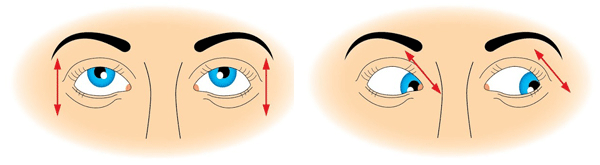
Close your eyes. See complete Darkness. Open your eyes in the center. Now look straight up and straight down, drawing a straight line with your eyes. Inhale as you look up, exhale as you look down. Repeat 10 times. Close your eyes, allow them to be bathed in darkness.


3. Horizontal lines

Open your eyes in the center. Now look to the left as you inhale and exhale as you draw a straight line with your eyes to the right. Repeat 10 times. Close your eyes, allow them to be bathed in darkness.


4. Palming

Palming is an exercise done by keeping one’s palms around the eyes. This has to be done when one is not wearing any lenses. This exercise stimulates extremely powerful acupuncture spots which calms down one’s mind and relaxes the muscles surrounding the eyes, thereby reducing stress around the eyes. Palming results in increased circulation and provides healing power to the eyes.

How to do Palming:

1.      Take deep breaths
2.      Sit on a flat table.
3.      Now, leaning forward, keep both your elbows on the flat surface of the table. Gently close your eyes. Rub your both hands to each other.
4.      And immediately keep both your hands over your eyes. Your palm’s cup should cover your eyes while fingers should be on your forehead. The heel of your hand should be resting on the cheekbones.
5.      It should not be too tight as it might give a large amount pressure on the eyes. You should be able to blink easily.

This exercise provides an opportunity not to see, but to concentrate on keeping your eyes and mind relaxed at the same time. 


It is recommended that one should do this exercise only for three minutes at a time. However, palming can be done as much as one prefers - all through the day in order to keep their eyes relaxed.

GOOGLE AD